
How to Create a Wildlife Pond in a Small Garden

Why a small pond punches above its weight
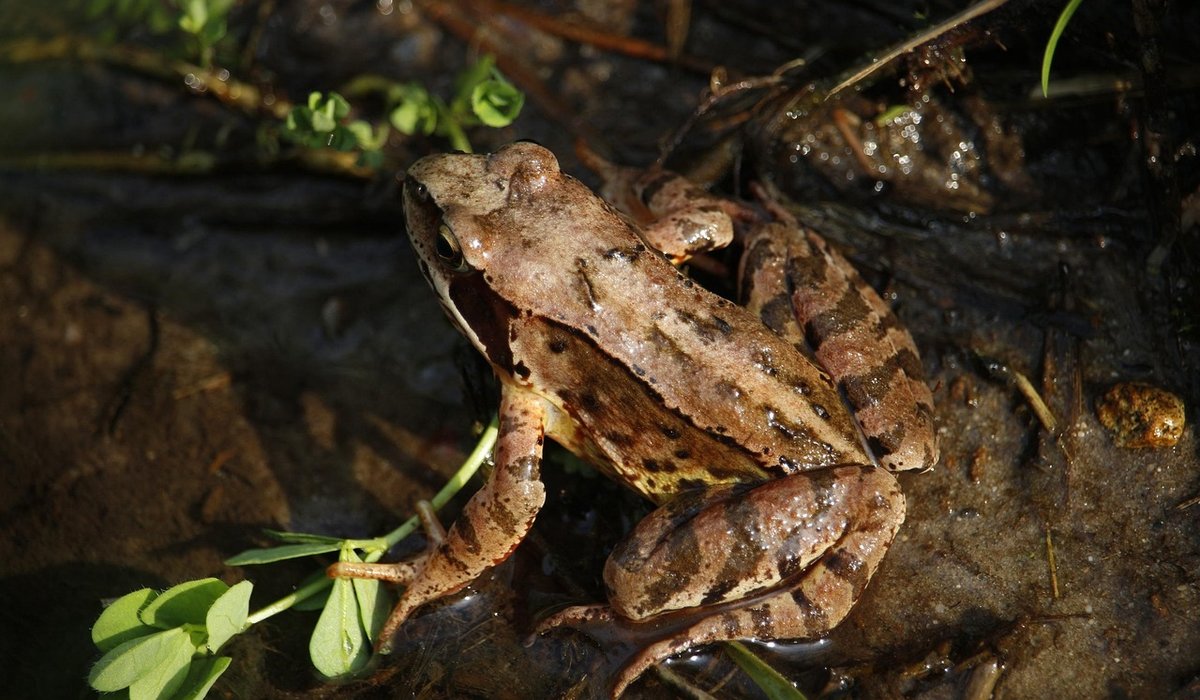
Even a pond the size of a dining table can become the busiest square metre in your garden. Water is the one habitat most small plots lack, and its absence is why frogs, dragonflies and thirsty birds pass yours by. Give them somewhere to land, breed and drink, and they will find it — often within a few weeks of filling.
A pond earns its keep visually, too. The surface catches low evening light, reflects the surrounding foliage, and turns a static corner into a place of movement and sound. Unlike a border, it changes hour by hour.
You do not need a large budget. A hole roughly 1.5 metres by 1 metre, lined with butyl rubber and planted with a few British natives, is enough to support frogs, newts, damselflies and a rotating cast of garden birds.
Choosing the right spot and size
Aim for a site that gets sun for at least part of the day — three to four hours is plenty — with a little shade in the afternoon to keep algae in check and the water cooler in summer. Avoid spots directly beneath trees: falling leaves load the water with nutrients, and roots can puncture a liner. Steer clear of the lowest point of the garden if runoff carries fertiliser or weedkiller towards it.
A setting near a hedge, log pile or shaggy patch of long grass gives amphibians cover on their travels. Position it where you can see it from a window, because the best of the wildlife watching happens from indoors in February.
For depth, work to about 60–75cm at the deepest point. That gives frogs and newts somewhere to overwinter safely and keeps the pond from overheating or freezing solid. Around the edge, dig one or two shallow shelves at 20–25cm deep for marginal plants.
Digging and lining your pond
- Mark the shape with a rope or hosepipe, and keep the outline irregular — a wavy edge looks natural and gives more planting room.
- Lift the turf and set it aside; it can be used later to disguise the liner edge.
- Dig the shelves first, then the deeper centre, and check the rim is level with a spirit board and level. A pond that is out of level shows an ugly strip of liner on one side.
- Remove sharp stones and line the hole with sand, old carpet or a purpose-made underlay before fitting the liner.
- Size the liner as the longest length plus twice the depth plus 60cm for overlap, then tuck the edges into a shallow trench and weight them with turf or stones.
- Fill with rainwater from a water butt. Tap water carries nutrients that feed algae; if you must use it, let it stand first.
- Build a ramp — a piece of log, a gently sloping pebble beach or a strip of roughened liner — so frogs, hedgehogs and small birds can climb out.
Planting with British natives and woodland favourites
Plant in aquatic baskets filled with garden loam topped with gravel, not ordinary potting compost, which is far too rich and will cloud the water. Aim to cover about half the surface within a couple of seasons.
- Marginals: marsh marigold (Caltha palustris), water forget-me-not, brooklime, water mint and ragged robin.
- Oxygenators: hornwort and water starwort, which help keep the water clear.
- Deep water: a small water lily such as Nymphaea 'Pygmaea Helvola', which shades the surface without swamping a compact pond.
- Damp shade nearby: royal fern, lady fern and soft shield fern, plus wood anemone, native bluebell, wood sorrel and wild garlic for a woodland feel along the edge.
Check labels for vigour. Yellow flag iris and some sedges spread quickly and are better kept in baskets. Never introduce invasive plants such as floating pennywort or parrot's feather, and never tip out a pond contents into a wild watercourse.
Welcoming frogs, dragonflies and birds
- Leave fish out. They eat tadpoles, larvae and almost everything else worth watching.
- Stack a few logs and stones nearby for shelter, especially over winter.
- Keep the grass around the edge long — amphibians use it as a corridor.
- Let a few stones break the surface so birds can perch and bathe safely.
- Stop using slug pellets and insecticides; frogs and their tadpoles are the first casualties.
- Do not move frogspawn in from elsewhere — it risks spreading disease. They will arrive on their own.
Keeping it healthy through the year
A flush of green algae in the first spring is normal. Be patient and add more plants; as they grow and shade the water, the balance settles. Top up in dry spells with rainwater, and remove handfuls of blanket weed rather than treating it chemically.
In autumn, scoop out some fallen leaves, but leave a few for the creatures that shelter among them. Cut back excess growth in late summer and leave seed heads standing for the birds. Resist the urge to empty and scrub the pond — that destroys years of accumulated life in one afternoon.
In a hard frost, keep a small area of ice open by floating a ball or standing a pan of hot water on the surface. Never smash the ice; the shock can kill the frogs sleeping in the mud below. Do this, and a modest hole in the ground becomes the most generous thing in your garden.

Joeby Ragpa
This template is so awesome. I didn’t expect so many features inside. E-commerce pages are very useful, you can launch your online store in few seconds. I will rate 5 stars.
ReplyAlexander Samokhin
This template is so awesome. I didn’t expect so many features inside. E-commerce pages are very useful, you can launch your online store in few seconds. I will rate 5 stars.
ReplyChris Root
This template is so awesome. I didn’t expect so many features inside. E-commerce pages are very useful, you can launch your online store in few seconds. I will rate 5 stars.
Reply